The efficient running of any city depends on its sewage lift stations. When problems emerge out of the blue, efficient management of these assets becomes much more challenging.
Fortunately, digital twins can help you keep tabs on your lift station’s status in real time. Minimizing disruptions and costs is possible with predictive insights and streamlined operations. However, I’m curious as to how this technology will revolutionize your system.
The Role of Sewage Lift Stations in Urban Infrastructure
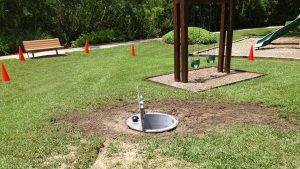
Although they’re often hidden from sight, sewage lift stations play a vital role in keeping urban environments clean and functional.
These stations move wastewater from lower to higher elevations within urban drainage systems, ensuring smooth wastewater management even in difficult terrains.
By preventing blockages and overflows, lift stations directly support public health and reduce the environmental impact of untreated sewage.
Their reliable operation boosts infrastructure resilience, protecting your community from costly damage and contamination.
Without well-maintained lift stations, cities would face serious health risks, polluted waterways, and disruptions that could undermine entire wastewater management efforts.
Unpacking the Digital Twin Technology
While sewage lift stations quietly power urban wastewater systems, the challenge lies in ensuring their reliability and efficiency over time.
That’s where digital twin applications come in. By creating a dynamic virtual replica of your lift station, you’ll use real-time data from sensors to mirror current conditions. This lets you run system simulations, so you can visualize how changes impact performance before making costly adjustments.
Use predictive analytics to forecast equipment issues or inefficiencies. Ultimately, digital twins provide powerful tools for infrastructure optimization, allowing you to confidently understand, manage, and improve the daily operations of your lift station.
Key Advantages of Implementing Digital Twins in Lift Stations
Leverage digital twins in sewage lift stations and gain immediate access to real-time data and analytics that transform how you monitor and manage your systems.
Real-time analytics empower you to quickly detect anomalies or inefficiencies, while predictive modeling helps you anticipate potential failures before they disrupt operations. This proactive approach streamlines maintenance scheduling, allowing you to reduce downtime and extend equipment lifespan.
Operational optimization becomes straightforward as you adjust processes based on accurate, up-to-the-minute insights. Additionally, digital twins help with energy management by finding ways to reduce power consumption, which lowers operational expenses and makes operations more sustainable.
Enhancing Asset Lifecycle Management Through Data
When you harness data within a digital twin environment, asset lifecycle management becomes far more strategic and efficient.
Data analytics let you evaluate historical trends and real-time conditions, giving you valuable insights into equipment health. Predictive modeling anticipates failures before they happen, helping you optimize asset performance and plan proactive interventions.
With accurate performance tracking, you can identify underperforming components and prioritize replacements or upgrades. Maintenance scheduling shifts from reactive to planned, extending asset life and reducing costly downtime.
Ultimately, you’ll make smarter decisions that boost asset optimization and ensure your sewage lift stations remain reliable and cost-effective for years.
Addressing Challenges in Digital Twin Adoption
Although digital twins offer transformative benefits for managing sewage lift stations, their adoption isn’t without hurdles.
One difficulty you may encounter is data integration, which entails the complicated process of linking various sensors and legacy systems. You also have to worry about security because you have to keep sensitive operational data safe from cybercriminals.
Cost barriers are significant, especially given the initial investment in technology and training. Achieving quality assurance requires accurate, consistent data streams to ensure your digital twin reflects real-world conditions.
Finally, you must develop robust maintenance strategies to keep both physical assets and their digital replicas functioning optimally. Addressing these challenges is vital for successful implementation.
Unlocking the Future of Wastewater Management with South Florida Lift Stations
An advancement in technology, the use of digital twins in sewage lift stations ushers in a new era of predictive maintenance and operational efficiency. Leading the charge in this revolution is South Florida Lift Stations, known for its extensive knowledge of lift station services and top-tier pumping solutions. Their dedication to innovation and expertise in the field allows them to help clients optimize their operations, cut costs, and make a positive impact on sustainability.
When you work with South Florida Lift Stations, you strengthen your infrastructure for the long haul and make sure it can withstand any storm. Embrace the future with South Florida Lift Stations and witness the evolution of your wastewater management. Don’t let your operations remain stagnant.